The Dry Route: Winter Turnout That Keeps a Working Horse Working
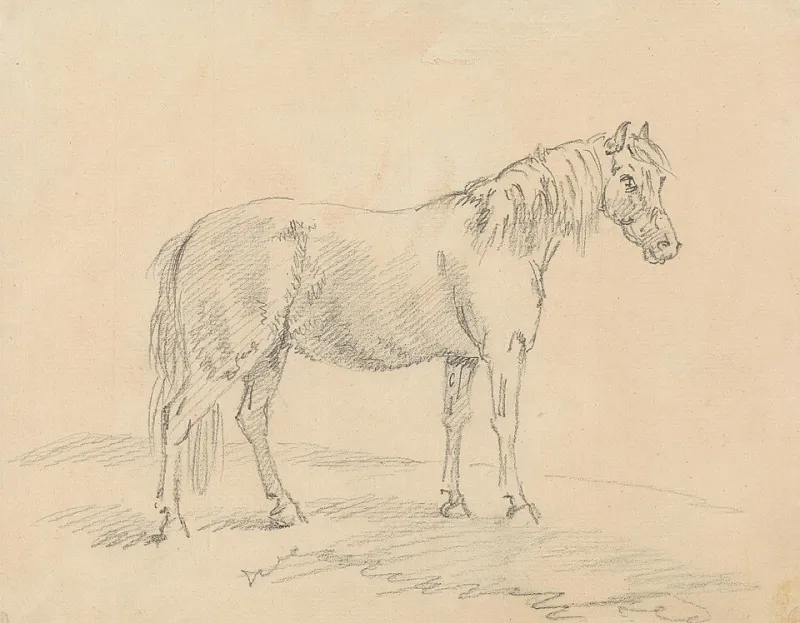
Photo: Sawrey Gilpin, CC0, via Wikimedia Commons
By the time the clocks go back, most UK yards have already had the conversation. The field is holding up, but only just. The gateway is a bog, the far corner is a lake, and the horse that was easy to do in September is now doing handstands at the sight of a headcollar. Winter turnout is not a luxury for a sport horse in work. It is part of the job. The trick is making it survive contact with November.
Start With the Gate, Not the Grass
Most of the damage happens in the first and last five metres of a paddock. Horses congregate, wait, argue and trample, and the ground gives up long before the rest of the field does. Before you redesign a rotation, look at the gateway. A hardcore pad, some proper matting or a fenced-off standing area will do more for the field than a month of hoping. If you can move the gate to higher ground, do it. If you cannot, make the entrance a small, sacrificial zone rather than pretending it will stay grassy.
This is also where a track system earns its keep. Even a narrow strip of electric tape around the edge can keep horses moving and stop them standing in the same wet patch for hours. The goal is not a perfect field in February. The goal is a field that still has a chance in April.
Rotation Is a Rota, Not a Rotation
"We rotate the paddocks" can mean anything from a genuine plan to swapping fields when someone remembers. In a wet UK winter, the difference matters. A simple three-strip system works well for most yards: one strip grazed, one resting, one acting as the sacrifice area for the worst days. Move the horses every five to seven days if the ground is holding, and back-fence behind them so they cannot return to the bit they have already poached.
On heavy clay — the sort that clings to a hoof like a second sole — be honest about when turnout should stop. A horse turned out on saturated ground is not getting exercise; it is getting a mud bath and a tendon risk. A woodchip pad or a well-drained all-weather turnout area is not a compromise. It is infrastructure.
Mud Fever Is a Management Disease
Mud fever, or pastern dermatitis, is often treated as though it is caused by mud alone. In practice, it is a skin problem made worse by wet, damaged skin and poor drying. The horse that lives out in deep mud is not automatically the one that gets it; the one whose heels never dry properly is a better candidate.
Prevention is unglamorous. Check heels daily, dry legs thoroughly after turnout if the horse comes in, and clip excess feather if it is trapping wet and dirt. A barrier cream can help on vulnerable skin, but it is not a substitute for clean, dry legs. Avoid aggressive washing — repeated scrubbing with harsh products strips the skin and makes things worse. If scabs, swelling or lameness appear, involve your vet rather than working through a tub of cream and optimism.
Legs Before and After
Leg care around work is a habit, not a panic. Before riding, inspect all four legs, pick out feet and remove mud from the lower limbs so you can actually see what you are dealing with. Cold hosing is for injury and heat, not routine mud removal. A bucket of warm water and a towel is often kinder on a cold morning than a hose.
After work, check for heat, filling, cuts and scabs before the horse is stabled. If the horse has been out in wet ground, dry the legs properly rather than leaving them wrapped and damp. A sport horse in full work does not need to be bubble-wrapped, but it does need its legs looked at with the same attention you give the competition calendar.
When the Plan Changes at 7am
The ridden plan has to be flexible enough to survive the weather. If the field is deep and the horse has been charging about, a hard schooling session may not be the right call. If turnout is cancelled because the ground has given up, a sharp horse is not being naughty — it is under-exercised. Hand-walking, arena turnout, a quiet lunge or a shorter, more focused session can all do a job that a gallop cannot.
This is where a winter plan earns its keep. Keep one or two sessions a week flexible enough to absorb a lost turnout day. A horse that has been stood in for 24 hours does not need to be drilled; it needs to move, stretch and remember how to relax. The field wins some days. The plan is to make sure it does not win the season.