Reading the Yard: What to Ask Before Your Competition Horse Moves In
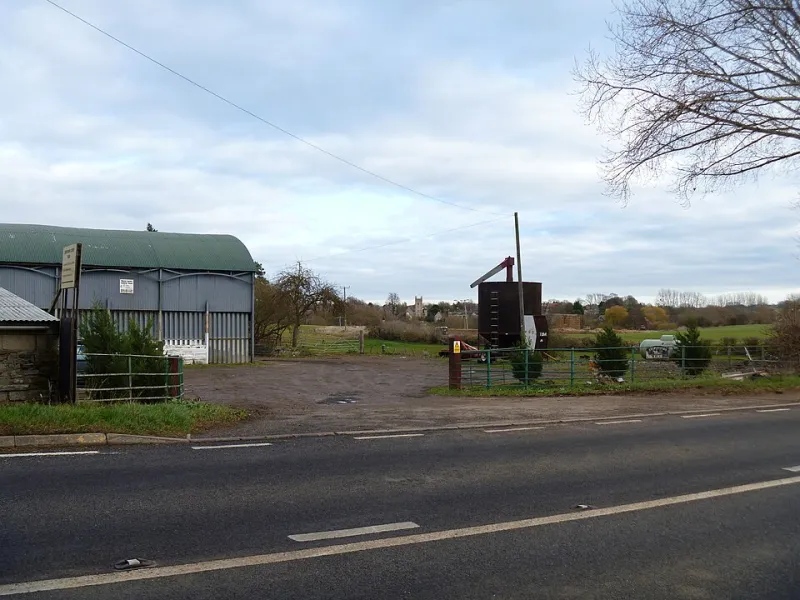
Photo: Michael Dibb , CC BY-SA 2.0, via Wikimedia Commons
Livery yard hunting has a way of making sensible people ignore their own instincts. You arrive on a sunny Tuesday, the arena is freshly harrowed, the yard cat is asleep in a wheelbarrow, and suddenly the yard that looked cramped on paper feels like the answer to everything. Then February arrives. The field is a swamp, the haylage changes, and nobody can tell you who is bringing your horse in on a Sunday.
For a sport horse owner, the stakes are higher than finding a pretty place to keep a horse. You need a yard that can support a competition workload and a real life — work meetings, dark nights, early departures and the occasional crisis. The brochure will not tell you all of that. The visit will, if you ask better questions.
Start with the routine, not the reception
Walk the yard at the time you would normally be there, not just when it suits the owner. Ask to see the turnout fields, the forage store, the arena and the muck heap. Watch how staff handle horses. Notice whether the yard is quiet because it is calm or quiet because nobody is around.
Then ask the twelve questions below. They are not designed to catch anyone out. They are designed to show you how the yard actually runs when the weather is bad and the diary is full.
The twelve questions worth asking
-
What does turnout look like in the worst week of winter? Ask for specifics, not the summer version. How many hours a day? Alone or in a herd? Does it change in wet weather, and who makes that call? A competition horse still needs to be a horse, but you need to know what the field will look like in January.
-
Who actually brings in and turns out, and what is the backup? The answer might be the yard owner, a member of staff, another livery or you. All are fine, as long as it is clear. Ask what happens when the person who normally does it is ill, on holiday or snowed in.
-
What forage is included, and can I see the analysis? Haylage quality can change a horse’s condition, temperament and wind. Ask where it comes from, whether you can see a sample, and what happens if a batch is different. If you are fussy about forage, check whether you can buy in your own.
-
How is the arena maintained? When was it last levelled? How often is it watered? Is there a surface depth that suits a horse in full work, or is it a shallow strip over concrete? Ask about drainage, lighting, booking rules and whether jumping or lunging is restricted.
-
What is the daily routine for a horse in hard work? Feed times, hay times, turnout times and evening checks all matter when you are fitting in work before or after your own job. If you leave at 5am for a show, can the yard accommodate an early start without chaos?
-
What happens on bank holidays, Christmas and yard holidays? Holiday cover is one of the quiet deal-breakers. Ask who covers, whether there is an extra charge, and how much notice you get. A yard that runs beautifully in term time can fall apart on a wet Bank Holiday Monday.
-
What are the rules on vets, farriers, physios and instructors? Some yards insist on their own professionals; others are flexible. Neither is automatically wrong, but you need to know before you book your regular physio or change farrier. Ask about visiting hours and where outside professionals can work.
-
What exactly does the contract say about notice, deposits and fee increases? Read the small print before you fall in love with the arena. How much notice do you need to give? When can the livery fee go up? What happens if you want to leave in a hurry? What is the yard’s liability, and what insurance do they expect you to hold?
-
How do you manage herd turnout, injuries and bullying? Ask how new horses are introduced, how many horses share a field, and what happens if a horse is kicked or bullied. Individual turnout is not always better, but you deserve to know the yard’s approach before your horse is in the middle of it.
-
What storage and security do I get? Tack security, feed storage, hay storage, lorry parking and CCTV all vary wildly. If you have a 7.5-tonne lorry, check access and turning space before you assume you can park it. Ask about insurance for stored equipment and whether the yard has had any security issues.
-
What happens if my horse needs box rest or medication? A yard can be perfect for a fit competition horse and hopeless for a horse on box rest. Ask whether they can manage medication, bandaging, restricted turnout and extra hay. Ask who administers it and what it costs.
-
Can I speak to two current liveries and come back at a busy time? A second visit at 7am or 6pm tells you more than any brochure. Speak to liveries who have been there through a winter. Ask what they wish they had known. Listen for the pause before the polite answer.
Read the small print like a test sheet
Livery contracts are not the most exciting read, but they are where the real yard rules live. Look for notice periods, fee review clauses, restrictions on outside instructors, rules about visitors, and what happens if the yard is sold or closes. Check whether the yard can move your horse to a different field or stable without asking, and whether you have any say in feeding and turnout.
Also ask the awkward practical questions. Can you park a lorry? Is there a hose that works in freezing weather? Where does the muck heap go? What is the policy on dogs, children and smoking? None of these are glamorous, but they are the things you will live with every day.
Trust the second visit
A good livery yard will not mind sensible questions. It will have clear answers, a contract you can read without a magnifying glass, and staff who can explain the routine without looking at each other. If the yard is defensive about turnout, vague about forage or unwilling to let you visit at a normal busy time, treat that as information.
The right yard will not just suit your horse’s workload. It will suit your life, your standards and your version of a good morning. That is worth asking for before the ramp goes down and the first month’s livery is paid.