Just the One: Why a Single Sport Horse Can Still Carry Serious Ambition
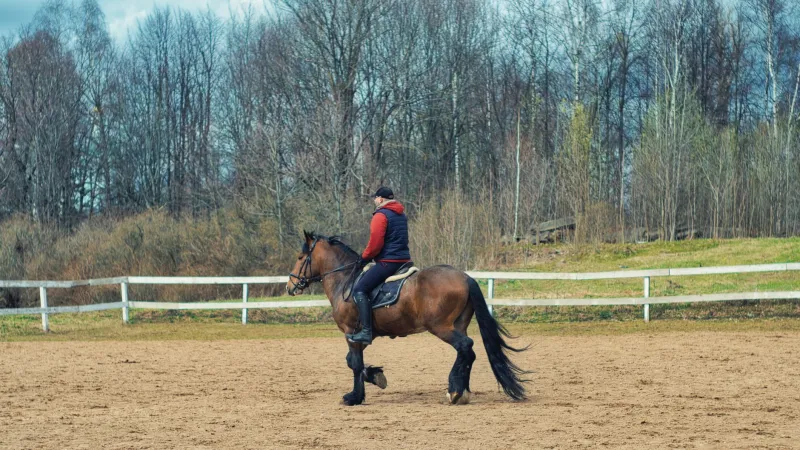
There's a moment at every livery yard, usually around February when the hay bill lands, where somebody says: 'You'll be wanting a second one soon.' It's said kindly. It's said as encouragement. And it quietly implies that staying at one horse is a lack of ambition rather than a choice.
It's worth pushing back on that.
How one horse became a stepping stone
The logic runs something like this. You've got your horse going nicely at 90. If you had another, you could keep the first one at 90 and produce the second up to 100 next season. Or you could have a schoolmaster and a youngster. Or one for dressage and one for jumping. Or one to compete and one to hack. Every one of those is a genuinely lovely idea, and every one of them costs another five figures a year before you've paid a single entry fee.
Somewhere in all that enthusiasm, the idea that one good horse, produced properly, might be the whole point has gone a bit out of fashion.
The arithmetic nobody puts on the livery advert
Livery is the number people budget for. It's never the number that surprises them.
A second horse means a second set of shoes every five or six weeks, a second insurance policy, a second dentist, a second saddle to fit and possibly re-flock, a second wormer, a second flu jab, a second share of the yard's hay and bedding. It means doubling the dent in the savings account that appears whenever a horse decides to test your insurance excess. It means two lots of competition entries, two memberships, two sets of travel costs.
Add that up across a year and most UK amateurs are looking at a serious second income's worth of outgoings — and that's before the horse has won anything. Plenty of people can find that money. Far fewer can find it comfortably alongside everything else life asks them to pay for.
Time is the part that gets underestimated
Money is at least measurable. Time is sneakier.
A fit sport horse in work wants five or six days a week. Two fit sport horses want ten to twelve sessions, and there are still only seven days. So what actually happens is that one horse gets the good work and the other gets lunged, or turned out, or 'has a few weeks off'. Which is fine — except the horse having a few weeks off is usually the one you bought to move up the levels.
A better version, worked out honestly: you ride one, a friend or a sharer rides the other.
What one horse can still do
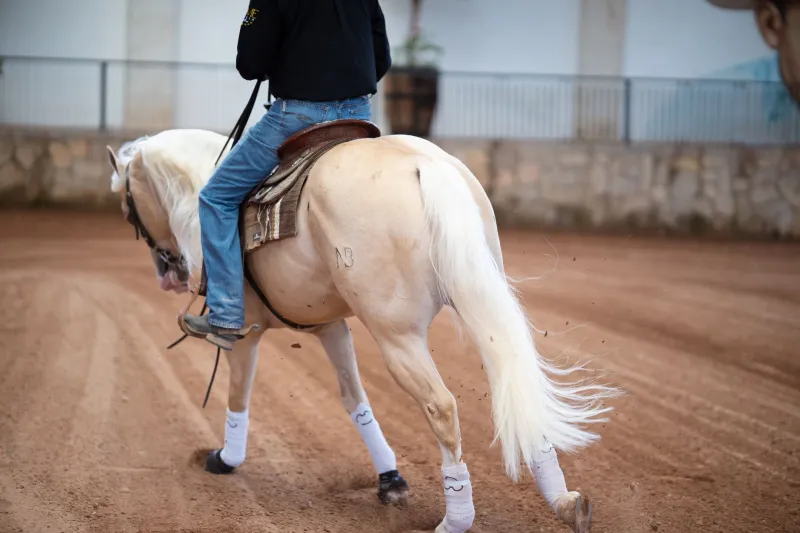
Here's the unfashionable bit. A single, sound, carefully managed sport horse can do a great deal. Grassroots eventing at 90 and 100, a full season of British Dressage, a run of British Showjumping, riding club championships, a first attempt at a one-star — all of that is achievable on one horse with a sensible plan and a rider who shows up.
What actually derails ambitious single-horse owners isn't a shortage of horses. It's a scattershot calendar: three disciplines in a month, no rest weeks, a horse that arrives at the championship tired because nobody pencilled in an easy week in June. One horse forces you to be deliberate about which weekends matter, which is no bad discipline for anybody.
The other thing one horse gives you is a relationship deep enough to know what's normal. You notice the slightly short stride on the left rein on a Tuesday because you ride that horse every day. That's worth something at a competition.
Where a second horse genuinely makes sense
This isn't an argument against ever buying another. There are real circumstances where two is the sensible answer:
- Your horse is approaching retirement and you want something coming through. Buying the next one eighteen months early, while the older horse is still sound and enjoying life, is a well-worn and sensible route.
- A partner or child wants their own. A second horse that somebody else rides and loves is a different equation entirely.
- You're producing to sell. Breeding and production run on numbers, and a youngstock plan is a business decision rather than a hobby one.
- You have full livery, staff or genuinely flexible time. Two horses on full livery with a rider available can work; two on DIY with a full-time job and a ninety-minute commute is a different sport.
The honest test is this: can you give both horses five decent days a week for the next three years without either one becoming a field ornament you feel guilty about?
The single-horse owner's plan
If you're staying at one, be deliberate about it. Map the season around your horse's peak rather than entering everything that opens. Budget what a second horse would have cost into lessons, a share arrangement, a week of training livery in the spring, or a physio and saddle check that actually happens on schedule. Book your holidays around the horse, not against it. And be honest in winter, when the indoor rota is tight, that one horse in consistent work beats two in sporadic work every time.
Staying at one isn't a lack of ambition. It's ambition with a budget, a calendar and a plan. And that's usually the version that gets results.