The Boring Bits That Save the Partnership: A Sport Horse Part-Loan Checklist
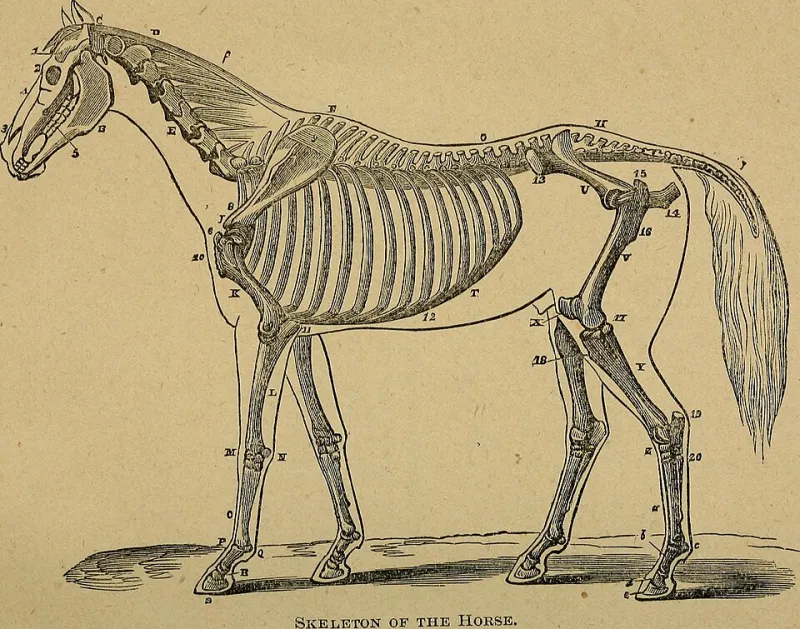
Photo: Internet Archive Book Images, No restrictions, via Wikimedia Commons
Part-loaning a sport horse used to feel like a slightly awkward favour between friends. In 2026, with hay, bedding, shoes and vet bills still doing their best impression of a gym membership you forgot to cancel, it has become a proper arrangement — and proper arrangements need proper paperwork. The aim is not to turn your yard into a law firm. It is to agree the boring bits while everyone is still smiley, so the partnership can survive a wet Tuesday in February.
Start with the horse, not the contract
Before you discuss money, write down what is actually being shared. Which days? What time? Is the sharer riding in the school, hacking alone, jumping, galloping, going to lessons, or competing? Can they clip, pull mane, use the horse in the arena when it is busy, or take it to a clinic? What about turnout, grooming and holding for the farrier?
A simple weekly grid works better than a long paragraph. It also exposes clashes early. If the sharer expects Saturday morning slots and you event every Saturday from March to October, that is worth discovering before signatures, not after.
The money conversation nobody enjoys
Agree the monthly contribution and, crucially, what it includes. Does it cover livery, hay, bedding, basic feed and routine farriery? What about shoes every six weeks, physio, dentist, saddle checks, worming and vaccinations? Who pays the insurance excess if the horse cuts a leg in the field?
Put a cap on unexpected costs. For example: routine bills are covered by the monthly contribution, but anything over £150 needs a conversation before it is booked. Decide how vet bills are split, who authorises treatment, and whether the sharer contributes towards transport, competition entries, coaching or fuel. Keep receipts and set a payment date. Vague generosity is lovely in June and deeply awkward in December.
Insurance and liability: read the small print
Check your horse insurance before a sharer rides. Does it cover another rider? Are you required to declare the arrangement? Does your third-party liability cover a sharer using the horse? The sharer should also have personal accident cover and equestrian third-party liability — BHS Gold membership or a similar policy is a common route, but check what it actually covers.
A contract can set out who does what, but it cannot magically remove liability or override an insurer's terms. Tell your insurer what is happening, keep emergency contact details on the yard, and make sure everyone knows who can authorise veterinary treatment. If the horse is injured by the sharer's actions, or a third party is injured, you want the answer to be boring and documented rather than a group chat meltdown.
Competition registration is not invisible
Most shares are about lessons and hacking, not Badminton. Still, British Eventing, British Dressage and British Showjumping all have rules around horse registration, rider membership, ownership or loan status, and eligibility. A sharer may be able to ride at home without their own membership, but entering a competition is a different matter.
Before the first entry, check the current rulebook or ask the governing body. Confirm whose name the horse is registered under, whether a loan or share needs declaring, whether the sharer needs their own membership, and whether results or points are affected. Do not assume a private arrangement is invisible to the rulebook. A five-minute email now beats a frustrating day at the showground later.
Time, cover and yard practicalities
Write down notice periods for riding, cancellations and holidays. If the sharer cannot come, who covers? If you want the horse back for a show, how much notice do you give? Who books the farrier, physio and vet? Who is responsible for the horse if the yard closes early because of weather?
Also agree the small stuff: keys, security codes, equipment, saddle pads, boots and whether the sharer can post the horse on social media. It sounds fussy until someone has borrowed your favourite stirrups for the third time.
When the horse needs six weeks off
This is the clause that saves friendships. If the horse needs box rest or field rest, who does the care? Does the monthly contribution continue, reduce or pause? Who pays for extra bedding, medication or rehab walking? Who decides when riding resumes?
Agree in advance that the owner makes veterinary decisions after discussing them with the sharer. Set a clear rule for contribution during prolonged downtime — for example, a reduced rate after 30 days, or a pause after six weeks by mutual agreement. Also plan for the sharer getting injured. Do they still pay? For how long? Can they help with ground duties instead? Put it in writing while nobody is in pain or panic.
Exit clauses and trial periods
Start with a trial of four to eight weeks. Use a notice period of 30 days on both sides, with an immediate exit clause for welfare or safety concerns. Agree how keys, equipment and records are returned, and what happens to the final payment. A three-month review is useful: it gives both parties a dignified way to say this is or is not working.
The pre-signature checklist
- What days, times and activities are shared?
- What does the monthly contribution include, and what is extra?
- Who pays for shoes, physio, dentist, vet, excess and emergency call-outs?
- Is the horse insured for a sharer, and does the sharer have liability cover?
- Are British Eventing, British Dressage or British Showjumping registrations affected?
- What notice is needed for cancellations, holidays and competitions?
- What happens during horse injury, rest or sharer illness?
- How is the agreement ended, and what is the notice period?
On a busy yard, the best share agreements are not the most legalistic ones. They are the ones where everyone knows what happens when the horse loses a shoe, the sharer gets flu, or winter arrives with a vengeance. Sort the boring bits first, and the riding gets a much better chance.