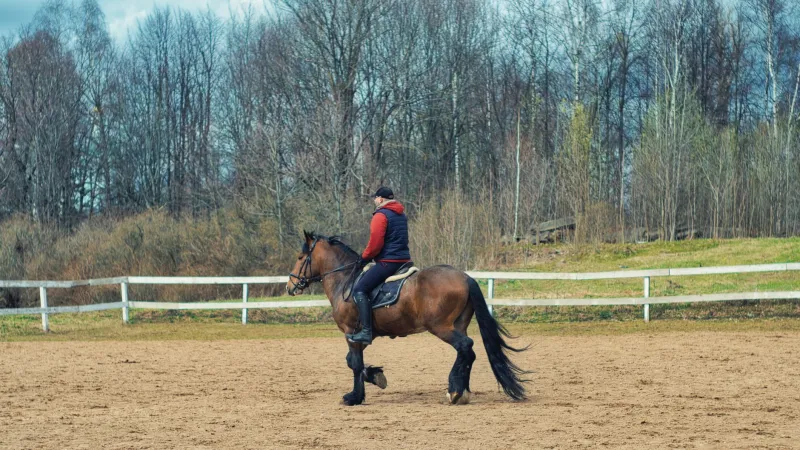
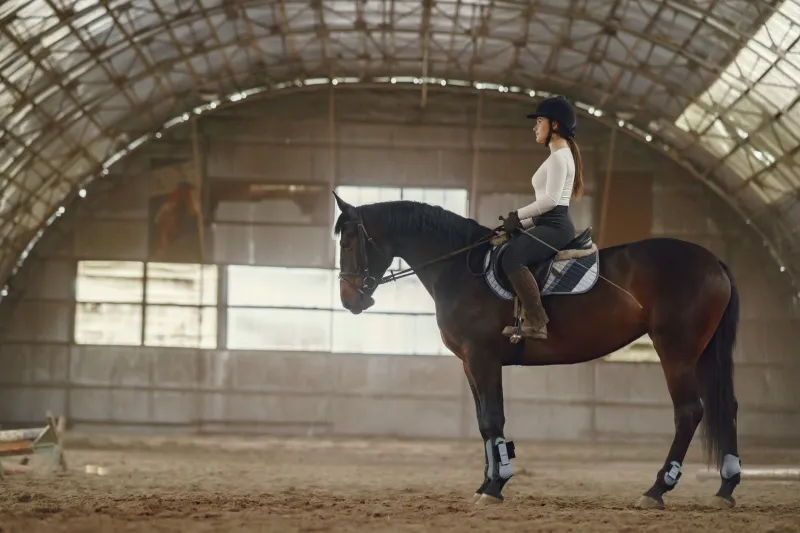
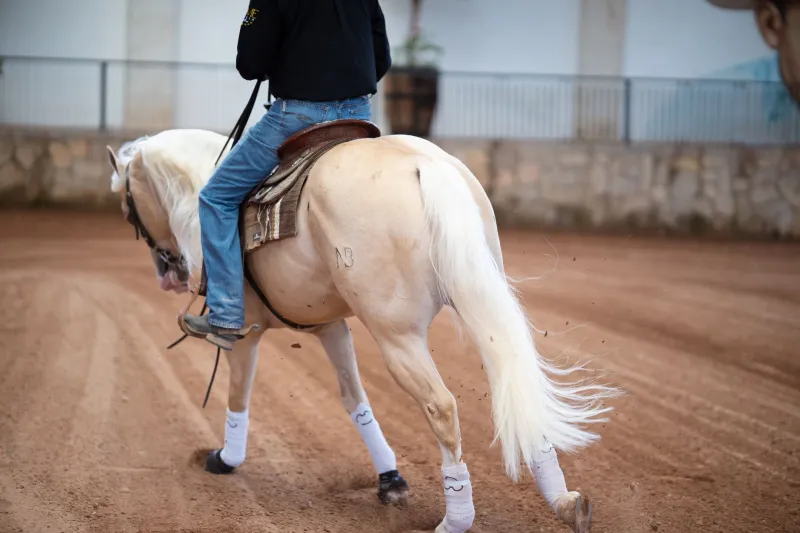
Standing Down, Not Switching Off: A Four-Week Post-Season Plan for Sport Horses
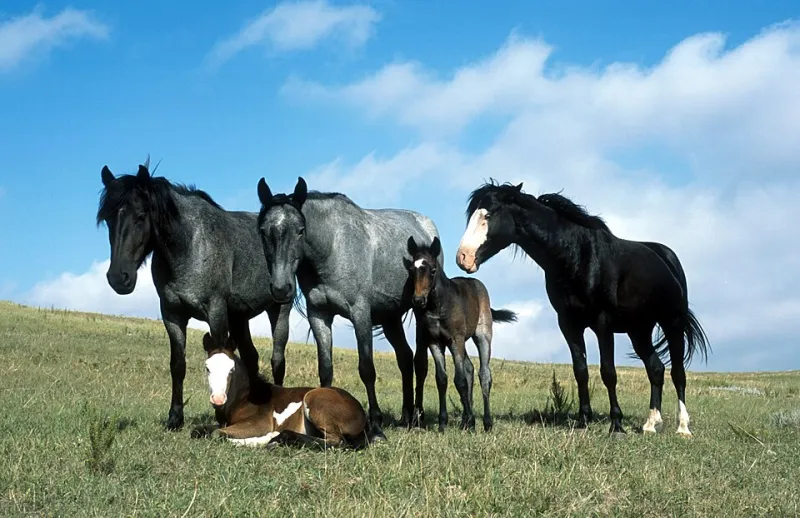
Photo: Seth Zeigler, CC0, via Wikimedia Commons
The trailer is back in the shed, the studs have been cleaned out for the last time, and the wash box has that end-of-season smell of damp numnahs and old hay. By the second week of November, most UK sport horses are either having a well-earned break or being pushed straight back into winter work. Both approaches can work. Neither is automatically right.
The four weeks after your last event, show or dressage test are not dead time. They are the bridge between one campaign and the next. Get them right and you start the new year with a horse that is sound, settled and still wants the job. Get them wrong and you spend January ringing the vet, the saddler and the physio in a panic.
The first fortnight: rest with a job to do
Turning a competition horse out for a fortnight and hoping for the best is not a plan. Neither is cracking on with arena work because the horse feels fresh. Active rest is the middle ground: movement without schooling, routine without pressure.
For most horses, that means turnout as normal, plus walking hacks if the ground and the horse allow it. No circles, no lateral work, no jumping. If the weather is truly grim, a gentle walk in-hand or a quiet hack in walk is enough. The aim is blood flow and sanity, not fitness.
This is also the fortnight to cut the hard feed back. If the work drops, the bucket should follow — especially for horses that get sharp on cereals. Keep forage ad-lib and monitor condition. A horse that comes out of the season a little lighter is often fine; a horse that comes out of it fat and fresh is a bigger problem.
Watch for the small things now: a filled leg that goes down with turnout, a bit of heat in a foot, a change in attitude. Note them. Don’t panic, but don’t ignore them either.
Book the checks you have been putting off
November diaries fill up fast. If your horse is due a dental check, book it in the first fortnight. The same goes for the farrier, the physio and the saddle fitter. These are not luxuries; they are the cheap version of the problems you don’t want in February.
A post-season MOT is particularly useful for sport horses. Teeth affect bitting, head carriage and condition. A saddle that was fine in April may not be fine after a season of changes in muscle. A back check can pick up the stiffness that never quite showed up as lameness. None of this needs to be dramatic — it just needs doing before the horse comes back into work.
In the UK, use qualified people: a vet or an EDT for teeth, a registered physio with vet consent, and a saddle fitter who will see the horse in work as well as standing. Ask them to write down what they find. You will want the notes next spring.
Mud, turnout and the reality of a British November
There is no point pretending the field will be dry. By mid-November, most yards are dealing with gateways that resemble a bog and horses that come in with legs like tree trunks.
Mud management is not glamorous, but it is soundness management. Fence off the worst of the gateway, put hay out away from the mud, and rotate fields if you can. Hard standing or a woodchip area pays for itself in fewer vet bills. Check legs daily, dry them properly, and treat any scabs early rather than picking at them.
Be careful with rugging. A horse in light work does not need to be cooked. Over-rugging is a common cause of a dull horse that sweats up on a mild day and then chills off. Use the horse’s condition and the weather, not the calendar, to decide.
Feed and clip decisions
Forage first, always. If your hay or haylage is variable, a forage analysis is money well spent. Adjust hard feed to the work the horse is actually doing, not the work you plan to do in January.
Clipping is the other decision that gets made too early. If the horse is having a proper break and living out, leave the coat alone. If you are bringing a horse back into work and it is sweating heavily, clip for the work it is doing. A low trace or blanket clip is usually enough for most winter routines. A full clip on a horse that will spend most of its time in the field is a recipe for rugging headaches.
When should winter work actually begin?
Not on a date. On the horse. Look for a horse that is moving well in the field, coming in without filled legs, and is bright but not explosive. If the season ended with a niggle, get the vet’s sign-off before you start.
Then work backwards from your first aim. If you want to be eventing in March, you need a base. That usually means four to six weeks of walking and slow fitness work before any real intensity. Start with long, steady hacks and walk work in the school. Add trot sets when the horse is settled. Don’t chase fitness in the dark with a sharp horse; use arena hire, gallops or good hacking where you can.
The first two weeks of work are boring on purpose. That is where the soundness comes from.
The point of the pause
It is easy to see November as the month where nothing happens. In reality, it is the month where next season is quietly decided. The horse that gets a proper let-down, a thorough check and a sensible return to work is the horse that stays sound and enthusiastic when the season gets serious.
So let the trailer sit idle for a bit. Clean the kit, book the appointments, sort the mud and watch the horse. The work will still be there in December. The chance to reset will not.