Four Experts, One Horse: Running a Support Team That Actually Talks
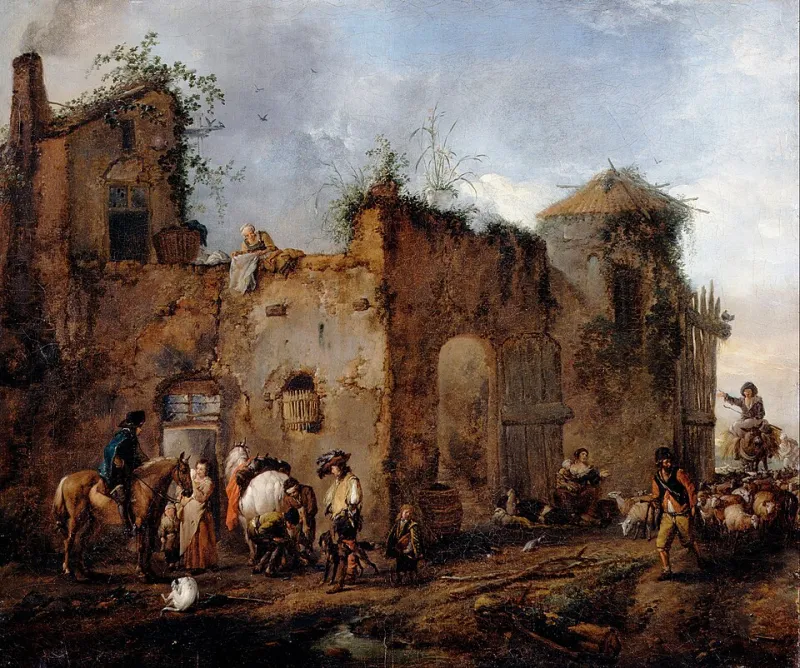
Photo: Wouwerman, Philips (1619 - 1668) – Artist Details on Google Art Project, Public domain, via Wikimedia Commons
There's a particular kind of tired that comes from standing on a yard at 7am explaining the same lameness history to a third professional in a fortnight. Vet on Tuesday. Farrier on Thursday. Physio next week. Each one is excellent at their job. Each one has a slightly different version of what happened, what matters and what to do next. You're the only person who's heard all three — which means, whether you asked for it or not, you're the hub.
That's not admin. That's welfare. A sport horse with a niggle is a moving picture, and the people supporting that horse need to be looking at the same frame. If they aren't, you get contradictory work programmes, missed red flags and a horse who pays for the gaps.
Why joined-up care is a welfare issue, not a paperwork one
Most of us can name a horse whose recovery stalled because nobody joined the dots. The vet treated the hoof. The farrier shod to the hoof. The physio worked on the shoulder that was sore because the horse had been loading the hoof. Everyone was right in their own lane, and the horse was still wrong.
Good communication is also practical protection. Under the Veterinary Surgeons Act 1966, diagnosis and treatment decisions sit with the vet. Chartered physiotherapists (look for ACPAT) and many other therapists work on veterinary referral, and competition bodies such as British Eventing and British Dressage have rules about what treatments are permitted and when. If your team isn't talking, you can accidentally end up with treatment that's either ineffective or, worse, outside the rules for your discipline.
Start with one timeline
Before you book another appointment, build a single written history of the horse. Not a novel — a timeline. Mine sits in a plastic wallet in the feed room and a shared note on my phone.
- Key dates: last shoeing, last dental, last physio, last vaccination, any change in work.
- The presenting issue: when it started, what it looked like, what made it better or worse.
- What's been tried: bute, box rest, field rest, a different bit, a saddle check, a new farrier.
- Video: 30 seconds of trot on a hard surface and on a soft one, filmed from the same spot each time.
It sounds fussy. It isn't. It means your farrier can see what your vet saw, and your physio can see what your farrier did. More importantly, it stops the horse's story being rewritten every time a new person arrives.
The appointment notes that earn their keep
You don't need minutes. You need four lines after every visit, written before you leave the yard:
- What was found — in plain English, not Latin.
- What was done — shoes, injections, exercises, nothing.
- What changes this week — work, turnout, shoeing interval, medication.
- When we review, and what would trigger an earlier call.
Ask each professional for the fourth point directly. "What would make you want to see this horse sooner?" is the single most useful question in horse ownership. A vet who says "if he's worse after 48 hours of bute, ring me" has given you a tripwire. That tripwire belongs in the notes, on the yard WhatsApp group and in your own head.
Who leads when advice conflicts?
The vet is the clinical lead. That's not a slight on anyone else; it's the legal and professional framework. But leadership isn't the same as dictatorship, and a good vet will say so.
When advice pulls in different directions, the practical route is:
- Ask each professional to explain the reasoning, not just the instruction. "Why this shoeing interval?" is fair.
- Put the disagreement in writing to the vet and ask them to arbitrate. Most will happily email the farrier.
- Respect domain expertise. Your farrier knows feet. Your physio knows soft tissue and movement. Your vet knows the whole picture. The trick is to let each one inform the others rather than issue competing edicts.
If two professionals genuinely won't communicate, that's a red flag about the team, not the horse. You're allowed to change one of them.
Involving the yard manager without handing over the reins
If your horse is on livery, the yard manager is the person who actually sees the horse every day. Excluding them is daft. Handing them total control isn't necessary either.
A workable arrangement: the yard manager gets read-only access to the timeline and is copied into appointment notes, but you remain the point of contact for professionals. Yard staff should know the current plan — box rest, hand-walking, turn-out in a small paddock, no lunging — and have your permission to ring the vet if something changes. They shouldn't be authorising extra bute or changing shoeing dates without a conversation.
Put it in a short message when the plan changes: "Current plan for [horse]: in at night, 20 minutes hand-walking twice daily, no turn-out until vet review on the 24th. Ring me, then vet, if he's not eating or is worse in the morning." That's clear, and it respects everyone's time.
Consent, insurance and the boring bits
Most UK vet practices will ask you to sign a consent form for treatment and for sharing information with named third parties. If you want your farrier copied into a vet report, say so at the time. If your insurer needs a claim form, get the vet to complete it before you leave the yard, not three weeks later when the details have gone fuzzy.
Check what your policy actually covers for complementary therapies, and check your discipline's rules. Some treatments require a veterinary declaration; some are prohibited in competition. Nobody expects you to memorise the rulebook, but somebody in your team should know where to look.
A simple monthly rhythm
You don't need a formal case conference every time. But a short rhythm helps:
- Weekly: update the timeline, note any change, film 30 seconds of trot if something feels different.
- Monthly: a two-line text to the vet, farrier and physio summarising where you've got to. Most will reply.
- At any change of plan: one message to the yard manager, in writing, with the trigger for calling the vet.
If the horse has had three professionals involved for more than a month with no clear progress, ask for a proper case conference. It can be a 20-minute phone call. The horse doesn't care whether the meeting is fancy; it cares that the people around it are pulling in the same direction.
That's the whole job, really. You're not the expert. You're the person who makes sure the experts know what each other is doing — and that the horse in the middle isn't the one left to join the dots.