The Late Call-Off: What to Do With a Primed Sport Horse When the Show Disappears
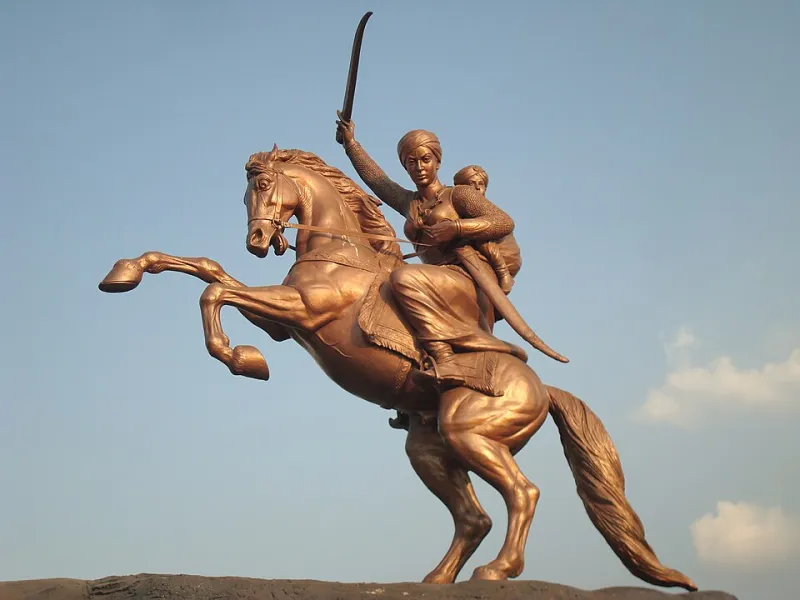
Photo: Dharmadhyaksha, CC BY-SA 3.0, via Wikimedia Commons
There is a particular kind of silence that follows a 6am text saying the show is off. The lorry is packed, the horse is clipped, the sandwiches are made, and then the weather, the ground or a last-minute venue decision pulls the plug. For UK sport horse owners, it is a familiar story. The temptation is to make up for lost mileage by schooling harder, entering something else by lunchtime and treating the weekend as a training emergency. That rarely produces a better horse.
A late cancellation is not a crisis. It is a contingency. The useful question is not “how do we replace the show?” but “what does this horse need this week now that the plan has changed?”
First, take the pressure out of the day
If the call-off comes before you load, the best first move is usually to do less than you think. A primed horse does not need to be talked out of a competition with an intense schooling session. If anything, that can leave a sharp horse more switched on and a tired horse more sour.
Turn out if the ground allows, or hand-walk and graze. Keep the routine familiar. Feed as normal unless your vet or nutritionist has advised otherwise. Check the horse over — legs, feet, back, temperature — because a change of plan is a good moment to notice the small things you might have missed while focusing on the show.
For the rider, the aim is to close the loop. Unpack the lorry, wash the buckets, message the yard and put the entries paperwork away. A cancelled show should not become a week-long administrative wound.
The fit and fresh horse: give the brain a job, not a harder lesson
A horse that has been produced for a competition and then kept at home can be surprisingly sharp. The answer is not galloping or jumping bigger. It is purposeful work that asks for attention without asking for maximum effort.
Useful sessions include:
- A long, active hack with plenty of walk and a few sensible trot sets, using the change of scenery to reset the mind.
- Polework at walk and trot, with transitions between the poles rather than repeated jumping.
- A short flat session built around straightness, rhythm and simple changes of pace. Twenty-five focused minutes is often better than an hour of circling.
- Groundwork or in-hand work for a horse that is tense about a change of plan. It is still training, even when nobody is riding.
If the horse is genuinely hot, add movement rather than pressure. A brisk hack, turnout or a controlled lunge session can do more for the week than another intensive school. The goal is to keep the horse supple and sane, not to prove that the lost show did not matter.
The horse with tired legs: use the gift of a quiet week
Sometimes the cancellation arrives after a hard block of work. Perhaps the horse has been travelling, competing or schooling in preparation, and the body is carrying a bit of fatigue. In that case, the cancelled show is not a problem to solve. It is a recovery window you did not have to schedule.
Reduce intensity for a few days. Walking, turnout, gentle hacking and basic suppling are enough. Check legs carefully, review hoof care and consider whether the saddle and girth areas need a fresh look. If the horse feels flat rather than fresh, do not confuse that with laziness; it may be telling you the preparation was already at the limit.
This is also the moment to look at the next three weeks rather than the next three days. A quiet week now can protect the horse for a better-targeted show later. Chasing lost mileage by doubling up on entries is how small training problems become bigger ones.
The loading day that goes nowhere
Some of the most frustrating cancellations happen after the horse is already on the lorry or at the venue. If you have had a wasted journey, keep the day short and calm. Unload, settle the horse, check hydration and legs, and let the adrenaline come down.
You can still salvage something useful. A short walk in hand, a pick of grass and a quiet groom can reinforce that travelling is not always about competition. If the horse is fresh after the journey, a gentle hack or turnout later in the day may be better than a schooling session. If the horse is tired, leave it alone. There is no prize for making a pointless day feel productive.
Build a plan B before you need it
A little contingency planning makes the next call-off far less disruptive. Keep a simple list on your phone: one hack route, one polework exercise, one flatwork focus and one groundwork session that suit the horse at different energy levels. That way, when the show disappears, you are not inventing a week from scratch.
It also helps to decide in advance what will not change. Farriers, physio, dentist and saddle checks should not be cancelled just because a competition is. Routine is reassuring for horses and useful for owners.
The week after: keep the bigger picture
When a show is cancelled, it is easy to feel behind. In reality, one lost outing is rarely the deciding factor in a sport horse’s season. Fitness is built over weeks, not weekends. Freshness is easier to protect than to rebuild. And a horse that has had a sensible, varied week at home is often better placed for the next outing than one that has been drilled to compensate.
Enter the replacement show if it suits the plan, but do not chase mileage for its own sake. Use the unexpected gap to check the basics, give the horse the work it actually needs and keep the rider’s head in the longer game. The show ground will still be there next weekend. The horse has to be right for it.