Six Weeks in a Stable: A Box Rest Plan That Looks After Horse and Human
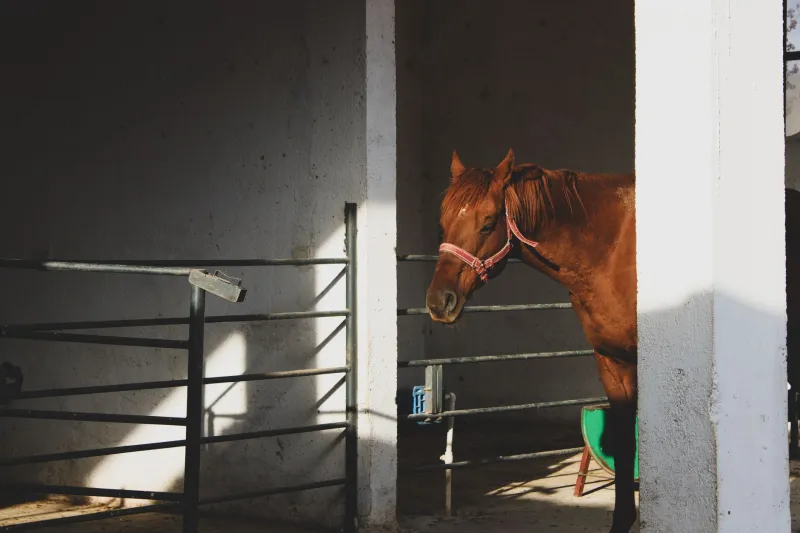
There’s a particular sound a stable makes when a horse is on box rest. It’s not quiet, exactly. It’s the thud of a hoof against a wall, the rustle of hay being pulled apart with more force than necessary, and the sigh of an owner who has just realised they’ve forgotten to bring a flask. Box rest is a project, whether you planned for it or not.
The good news is that six weeks is a manageable stretch if you treat it like one. The better news is that you don’t have to be a hero about it. You just need a routine that holds together, a vet-led plan you actually follow, and a bit of honesty about the fact that nursing an injured sport horse is tiring for the human too.
Week One: Settle the Horse, Settle Yourself
The first few days are not the time to be inventive. Your vet will have given you a schedule — hand-walking in hand, limited turnout, or complete confinement — and the kindest thing you can do is stick to it. That means writing it down somewhere visible. Not in your phone, where it will get buried under messages about hay deliveries. On the stable door, in marker pen, with the times.
Use week one to establish a baseline. Run a weigh tape around your horse and note the number. Check their condition score, even roughly. Ask your vet or farrier about the best way to monitor the injured limb, and keep a simple diary of swelling, heat, or changes in demeanour. This isn’t busywork. It’s the data you’ll need if something shifts.
And give yourself a break. The first week of box rest often feels like a crisis. By week two, it becomes a routine. By week three, you’ll be weirdly proud of your stable-management system.
The Daily Non-Negotiables
Forage first. A horse on box rest still needs fibre moving through their gut, and boredom is a recipe for stable vices. Weigh your hay or haylage rather than guessing. A small kitchen scale and a haynet are your friends here. If your horse is a good doer, soak the hay. If they’re poor, don’t restrict them without veterinary advice.
Water, salt, and a clean bed are obvious, but they’re also the things that slip when you’re rushing before work. Keep the routine boringly consistent. Horses find comfort in predictability, and so do humans.
Company matters too. If your horse is settled by a neighbour, great. If they’re not, think about a stable mirror or a radio on a speech station. Some horses find talk radio soothing. Others find it alarming. You’ll know within an hour.
Boredom Busters That Won’t Cause Chaos
There’s a fine line between enrichment and a stable that looks like a toddler’s birthday party. Safe, low-sugar licks and hanging toys can help, but don’t overload the stable. A couple of options rotated every few days is usually better than a permanent obstacle course.
Grooming is underrated. A good grooming session gives your horse physical contact, gives you a chance to check for cuts or swellings, and gives both of you something to do that isn’t standing in a corner looking tragic. If your vet allows it, hand-grazing in a small area is gold dust for morale.
Avoid anything that encourages rearing, spinning, or sudden movements. A bored horse is better than a tweaked tendon.
Hand-Walking Without Handbrake Turns
Hand-walking is often the trickiest part of box rest. A horse who has been cooped up for a week can feel like a coiled spring. Use a bridle or a chiffney if your vet recommends it, and wear gloves. Choose a route with good footing and minimal distractions. Early morning or late evening is often quieter on UK yards.
Keep sessions short and calm. Five minutes of walking in hand is not a training session. It’s physio. If your horse jogs, circles, or plants, don’t turn it into a battle. Go back to the stable, regroup, and try again later with a calmer approach. Two people are better than one for the first few walks, especially if your horse is sharp.
The Weight Tape Doesn’t Lie
Condition loss is one of the quiet risks of box rest. A horse can drop weight surprisingly quickly when their movement is restricted and their routine changes. Weigh tape weekly, same day, same time. Keep a note. If the number is drifting, adjust forage and speak to your vet about a balancer or a higher-calorie fibre source.
The opposite problem is just as common. Good doers on box rest can balloon. Resist the urge to fill the haynet because your horse looks bored. A handful of chopped straw or a low-calorie chaff can stretch forage without adding unnecessary calories.
Your Own Support Plan
Here’s the bit nobody puts on the yard noticeboard: box rest is emotionally draining. You’re doing extra trips, extra mucking out, extra worrying. You might feel guilty when you’re at work and guilty when you’re at the yard. You might resent the horse for a moment, then feel terrible about it. That’s normal.
Build a rota if you can. Ask a friend to cover one morning. Book a day off. Accept help when it’s offered, even if it’s just someone bringing you a cup of tea. Keep talking to your vet about progress and expectations. A six-week plan is a guide, not a guarantee, and it’s okay to ask for a review if something isn’t working.
Week Six and Beyond
By the end of week six, you’ll have a pile of notes, a horse who is either desperately fit or mildly feral, and a vet appointment on the horizon. The recheck is where the real plan starts. Don’t rush the return to work. A gradual increase in hand-walking, then turnout, then ridden work is usually the safest path, and your vet will tailor it to the injury.
Box rest is a strange kind of partnership test. It’s not glamorous, and nobody takes photos of you carrying a haynet at 6am. But if you can keep the horse comfortable and yourself upright, you’ve done the job. Six weeks is temporary. The horse is not.